Will the home addition you are planning be worth the investment? The answer depends on more than resale value alone. It also comes down to how well the new space improves the way your home works and how long you plan to enjoy it.
This post explains what affects home addition return on investment, which additions may add the most resale value, and what to consider before moving forward.
Table of Contents
Does a Home Addition Increase Property Value?
How Much Value Does an Addition Add to a House?
Which Home Additions Can Add the Most Resale Value?
Why an Addition Should Be Planned with the Whole House in Mind- What Design Choices Affect an Addition’s Long-Term Value?
- How to Decide If an Addition Is Worth the Investment
- FAQs About Home Additions and Property Value in Wilmington, DE
Does a Home Addition Increase Property Value?
A thoughtfully designed home addition can increase property value when it creates useful living space and addresses a real limitation in the existing home.
For example, an addition might turn a cramped kitchen and disconnected living area into a more open, functional first floor. The value comes from both the added square footage and the way the existing home works better.
For many homeowners in northern Delaware and Chester County, an addition can make it possible to stay in a home and neighborhood they already value. Bromwell Construction often helps homeowners weigh that practical benefit alongside the potential impact on resale value.
How Much Value Does an Addition Add to a House?
There is no universal percentage for how much value an addition adds to a house because the return depends on the type of addition, the existing home, construction quality, location, and local buyer demand.
A useful way to evaluate the impact is to look at three types of value: resale value, functional value, and long-term ownership value.
Resale Value
Resale value is how much more a buyer may be willing to pay for your home because of the addition.
Adding useful space can make a home more appealing. Resale value is also influenced by how the finished home compares with similar properties and recent sales nearby.
Functional Value
Functional value is how much better your home works because of the addition.
The new space might give you a larger kitchen, more room for family and guests, better privacy, or first-floor living. In each case, the addition adds value by making the home more useful day-to-day.
Long-Term Ownership Value
An addition can also make it possible to stay in your current home longer.
If you value your location, lot, school district, or neighborhood, adding the space you need may make more sense than moving. That can be an important part of the home addition return on investment, especially if the project helps the home continue to fit your needs for years to come.
Which Home Additions Can Add the Most Resale Value?
The best home additions for resale value are typically those that add useful space and solve a common need, such as a first-floor primary suite, expanded living area, or additional bedrooms and bathrooms.
The right choice still depends on the home, the property, and what future buyers are likely to value.
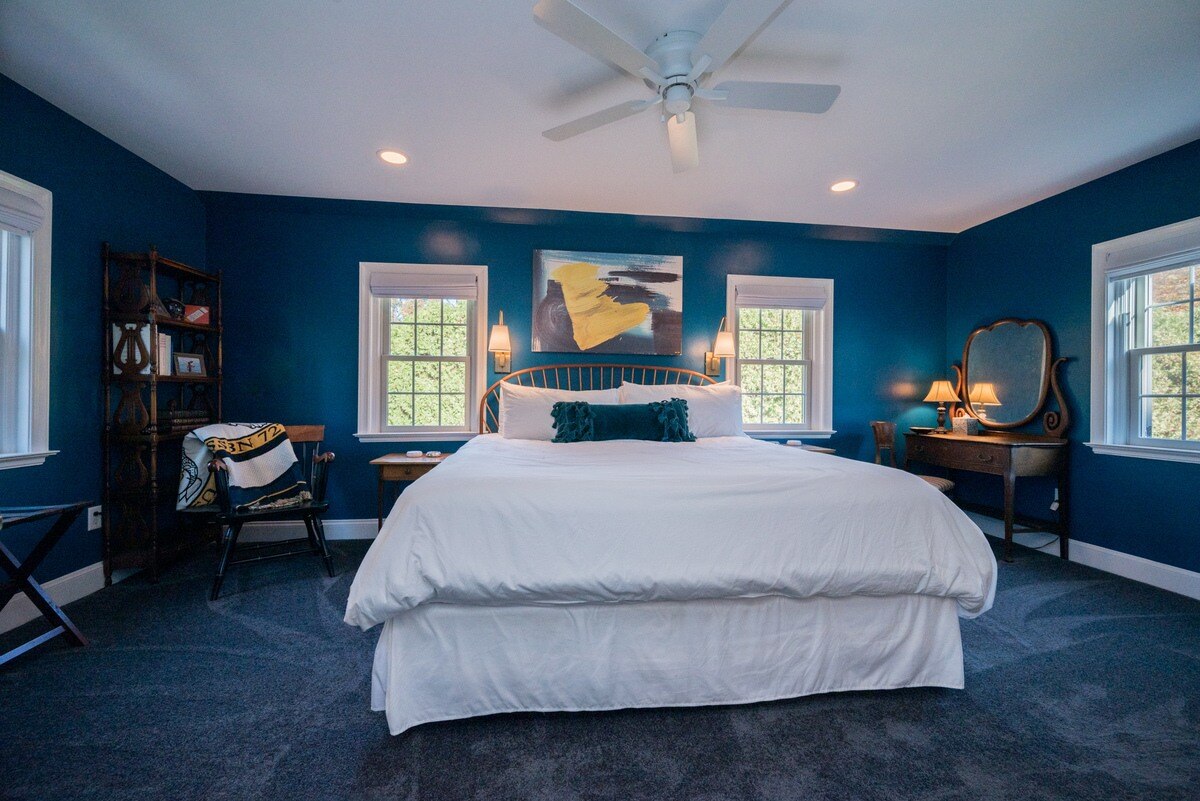
First-Floor Primary Suites
A first-floor primary suite can add meaningful value because it combines added square footage with a practical living arrangement.
For homeowners planning to stay long-term, it can support aging in place. For future buyers, it can also make the home work for a wider range of lifestyles.
We have seen first-floor primary suites create considerable value in the right home. In some cases, homeowners may see close to dollar-for-dollar added value in the property, but that is not guaranteed.
Expanded Kitchens and Living Areas
An addition that expands the main living areas can improve both square footage and function.
A rear or side addition might create room for:
- A larger kitchen
- A connected family room
- Better entertaining space
- More storage
- Improved circulation
That added space can make the home more useful and more appealing to future buyers.
If the project starts affecting multiple existing spaces, it may make sense to consider it as part of a whole-home remodel.
Second-Story Additions
A second-story addition can create substantial living space without taking up more of the yard.
It may add bedrooms, bathrooms, a primary suite, an office, or other flexible space, making it a strong option when outward expansion is limited.
These projects require careful planning because the existing structure must be evaluated, and the work may affect the roof, stairs, mechanical systems, and rooms below.
In-Law Suites and Flexible Living Space
An in-law suite can add flexibility for households that need room for parents, adult children, long-term guests, or caregivers.
Its resale value is harder to generalize. Unlike a first-floor primary suite, an in-law suite does not have one predictable value increase across different homes and markets.
Its value depends on the property, layout, local demand, and how useful the space may be to future owners.
Other Types of Home Additions
Other additions, such as garages, sunrooms, home offices, mudrooms, or expanded entry areas, can also add useful space and improve the way a home functions.
Their effect on resale value varies widely. In many cases, the bigger question is if the addition solves a real need, fits naturally with the home, and creates space that future owners are likely to use.
Why an Addition Should Be Planned with the Whole House in Mind
An addition should be planned with the whole house in mind because changes to one area can affect the layout, circulation, structure, HVAC, plumbing, electrical systems, and other nearby spaces.
Early design helps identify those impacts before construction begins. A design-build approach can be especially useful because it evaluates design and construction considerations together from the start.
What Design Choices Affect an Addition’s Long-Term Value?
An addition's long-term value can be affected by where it goes, how it changes the property, and how naturally it fits the existing home.
Decide Whether to Build Up or Out
Building up can add substantial square footage while preserving yard space. Building out can work well for first-floor primary suites, kitchen expansions, and larger living areas, but it uses more of the property.
The better option depends on the home, lot, and type of space you need.
Make the Addition Feel Original to the Home
An addition should feel like a natural extension of the original house.
Rooflines, window proportions, exterior materials, interior transitions, and the floor plan all affect how well the new space fits. This is especially important in older homes, where much of the appeal may come from the home's original character.
Avoid Adding Space That Creates New Problems
More space does not always mean more value.
An addition may have less resale impact if it creates awkward circulation, eliminates too much useful yard, adds highly specialized space, or makes the finished home significantly larger or more expensive than comparable homes nearby.
The goal should be a better home, not simply a bigger one.
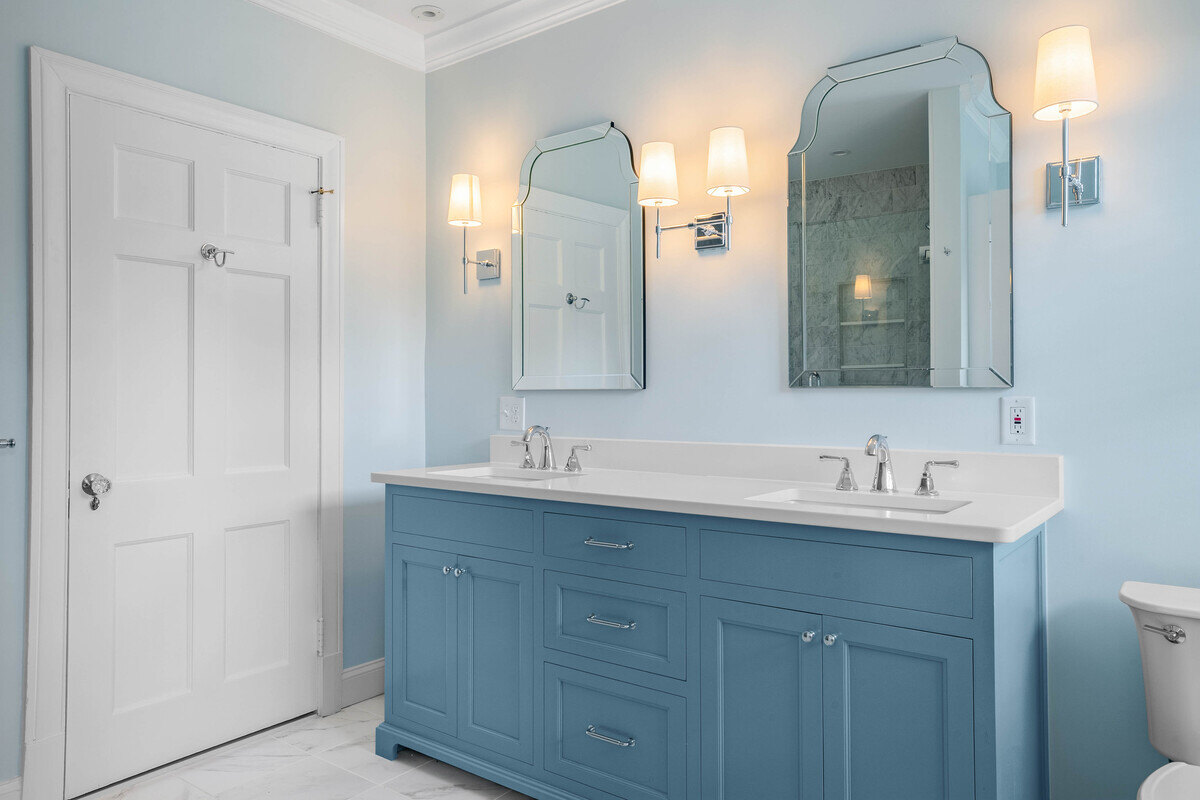
To see how thoughtful design can help new and existing spaces work together, explore our gallery.
How to Decide If an Addition Is Worth the Investment
The home addition cost vs. value question is about more than what you may recover at resale. An addition may still be worthwhile if it solves a long-term need and helps you stay in a home you already value.
Before moving forward, consider:
- How long do you expect to stay in the home?
- Will the addition solve a real need and improve how the home functions?
- Does the finished home still make sense for the property and neighborhood?
- Will the new space remain useful as your needs change?
You want to weigh potential resale value against how much the addition will improve the home while you are living in it.
If you’re also trying to understand what a project like this may cost, Bromwell’s Remodeling Cost Guide offers a helpful starting point for budgeting.
FAQs About Home Additions and Property Value in Wilmington, DE
Does a home addition increase property value?
It can, depending on the addition and the local market. The strongest additions usually add useful space, improve how the home functions, and fit naturally with the existing house and property.
Which home additions tend to add the most resale value?
While there is no single best option for every home, first-floor primary suites, expanded living areas, and other additions that solve a common need can have strong value potential when they are well planned.
How do I choose the right home addition contractor in Wilmington, DE?
Look for a contractor with experience in substantial additions, older homes, and projects that affect multiple parts of the house. Ask how they handle design, budgeting, planning, communication, and changes before and during construction. A clear process early on can make a complex addition much easier to manage.
Should I use a design-build firm for a home addition?
Design-build can be especially helpful for additions because the design and construction sides of the project are considered together. Bromwell Construction looks at how the new space will affect the existing home, project scope, budget, and construction planning from the start.
Planning a Home Addition in Wilmington, DE or Chester County?
A home addition is a major investment, so the goal should be more than simply adding square footage. The right project should solve a real need, fit naturally with the existing home, and make sense for the way you plan to live there long term.
If you’re considering a home addition in Wilmington, northern Delaware, or Chester County, Bromwell Construction can help you evaluate the possibilities and plan the project with the whole house in mind.
Contact Bromwell Construction to start the conversation.