Finding buildable land near Wilmington, DE is not always as simple as searching for a vacant lot and making an offer. Some of the best opportunities are not listed as obvious building lots at all. They may show up as older homes on good parcels, teardown candidates, or infill opportunities in established neighborhoods. Even when you do find land for sale, the listing alone does not tell you everything you need to know.
That is why the search for land and the question of buildability usually go hand in hand. In this post, we’ll cover how to find land near Wilmington, DE, what “buildable” really means, where buyers often uncover the best opportunities, and what to check before moving forward.
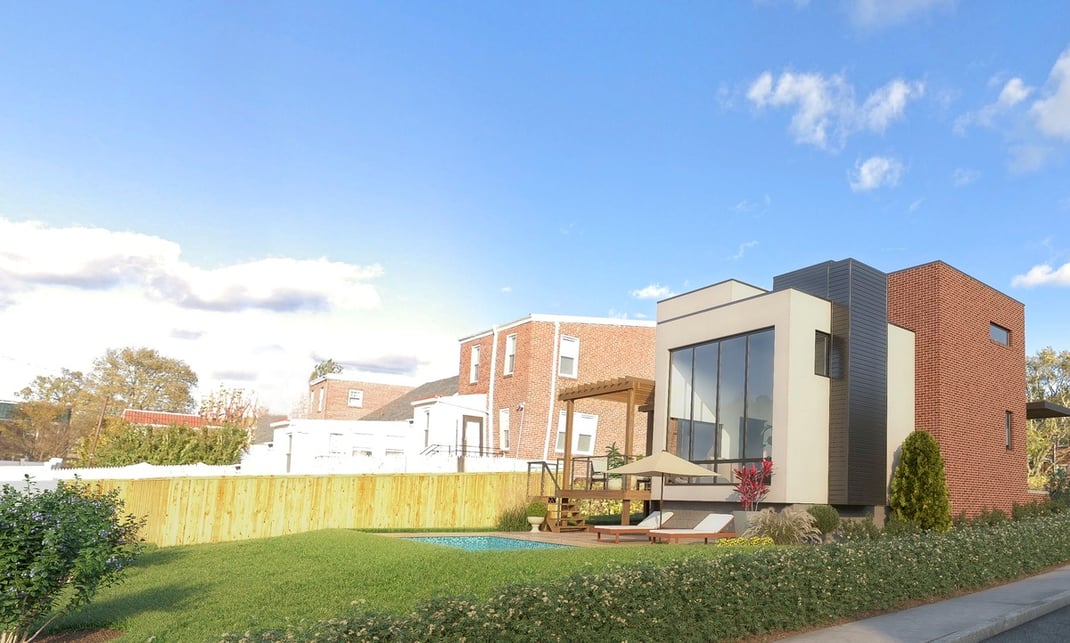
Table of Contents
- Many Buyers Start Here
- What “Buildable Land” Really Means
- Land for Sale vs. Land You Can Actually Build On
- How to Find Land Near Wilmington, DE
- Land for Sale Is Not Always Ready to Build On
- FAQs on Finding and Building on a Lot in Delaware
- The Right Lot Is Only the Start
Many Buyers Start Here
There are a few different paths that lead people to this search.
Some are moving to the Wilmington area from farther away and are still learning the difference between neighborhoods, commute patterns, school areas, and where land is actually available. Others already know northern Delaware well, but have never tried to find a lot before, and are realizing that searching for land is very different from searching for a house.
Some are focused on vacant land. Others are open to teardown or infill opportunities if that gives them a better chance of building in the location they want.
The starting point may differ, but the goal is usually the same: find a lot that makes sense for your location, plans, and budget. That is also where a builder like Bromwell Construction can help you think more clearly about fit, feasibility, and next steps.
What “Buildable Land” Really Means
You will see listings for land for sale or buildable lots in Wilmington, DE. Those terms can be helpful, but they do not tell the whole story.
In simple terms, buildable land near Wilmington, DE means land that may be able to support a home. The keyword is “may.” A lot can look promising online, but may come with limitations that affect the size and placement of the house, the driveway, the utility plan, or the total site cost, making it important to take a closer look at how to evaluate a lot upfront.
That does not mean it is a bad lot. It means you need to separate “land for sale” from land that works well for your project. If you are starting to think beyond the listing itself, Bromwell’s design-build process can give you a better sense of what comes next.
Once you've found the right property, the next step is understanding what the custom home building process looks like—from design and permitting to construction and move-in. Learn more about our custom home building services near Wilmington, Delaware.
This is especially important in and around Wilmington, where buyers may be looking at a mix of vacant lots, older in-town parcels, teardown opportunities, and properties in established neighborhoods with tighter constraints.
Land for Sale vs. Land You Can Actually Build On
This is where many buyers get tripped up.
A listing can say residential land. It can be priced like a building lot. It can even sit in a great location. None of that confirms that the lot is ready for your project.
A lot may still need more review for:
- Zoning and setbacks
- Easements or right-of-way issues
- Public sewer or septic feasibility
- Water service
- Stormwater and drainage concerns
- Driveway access
- Slope, grading, or clearing needs
That is why the lot search and the buildability review go together. You do not need to solve every technical question before you make an offer, but you do need to know what should be checked early.
How to Find Land Near Wilmington, DE
When searching for land for sale near Wilmington, DE to build a custom home on, it helps to start with a simple mindset: the best lot is not always the one listed as vacant land.
Around Wilmington and the surrounding parts of New Castle County, buyers often need to look at a few different paths at the same time. Some lots show up clearly on the market. Others are hidden inside older-home listings, infill opportunities, or seller situations that are less obvious at first glance.
Here are the main places to look first.
Start with MLS Listings and a Local Real Estate Agent
The most obvious starting point is searching online for land for sale near Wilmington, DE.
That gives you a quick read on pricing, lot sizes, and where inventory tends to show up. It also helps you see right away that not every part of the Wilmington area offers the same type of opportunity. Some areas may have a few true vacant lots. Others may have almost none.
This is where a local real estate agent can help. Not just any agent, but one who understands land, teardown properties, and residential lot purchases. A good agent can help you:
- Narrow the search by area
- Spot listings that look better in person than they do online
- Flag listings that seem cheap for a reason
- Identify properties that may fit a custom home, even if the listing is not written that way
MLS is a good place to start, but it is not the full picture.
Search by Area, Not Just by “Wilmington”
A broad Wilmington search can be too loose to be useful.
Most buyers are really choosing between specific areas based on commute, schools, lot size, neighborhood feel, and price, all key factors when considering living in Delaware. That is why it makes sense to search more intentionally in places like North Wilmington, Greenville, Hockessin, Pike Creek, Newark, and other parts of New Castle County.
This usually makes the search more practical right away. Instead of looking at everything, you can compare where you are more likely to find:
- Larger lots
- Established neighborhoods
- Utility access
- Teardown potential
- Price points that fit your budget
A buyer looking for privacy and space may end up in a very different area than someone trying to stay close to downtown Wilmington or an existing school pattern.
Do Not Limit Your Search to Vacant Land
This is one of the biggest mistakes buyers make.
If you only search lots labeled buildable land, you may miss some of the best opportunities. In established areas, the better option is often not empty land. It may be an older home sitting on a strong lot.
That is why it helps to watch for:
- Teardown candidates
- Older homes on oversized lots
- Under-improved properties
- Infill lots between existing homes
- Properties where the lot is more valuable than the house itself
This matters most in areas where true vacant land is limited. A buyer who wants a specific neighborhood may have much better luck looking for an older property with rebuild potential than waiting for a clean vacant parcel to hit the market.
Look for Teardown and Infill Opportunities
In many parts of the Wilmington area, teardown and infill lots are one of the most realistic ways to build a custom home.
A teardown can make sense when the location is strong, the lot works, and the existing house does not meet modern needs. In some cases, though, an existing property may be better suited for a luxury home renovation than a complete rebuild.
These opportunities are worth watching because they can open doors in neighborhoods where vacant land almost never comes up.
The tradeoff is that they usually require a little more homework. You may need to think about demolition, lot width, setbacks, driveway placement, tree clearing, and surrounding neighborhood expectations earlier in the process.
Still, for many buyers, this is where the real opportunity is. For ideas on how the right lot can turn into a custom home, browse our project gallery.
Ask About Private Sales and Off-Market Opportunities
Not every lot gets broad online exposure.
Some opportunities come through agent relationships, estate situations, family-held property, or local word of mouth. In some neighborhoods, an owner may be open to selling a lot or an older house without ever heavily marketing it.
You cannot build your entire search around off-market deals, but it is smart to keep this path open. Let your agent know exactly what you want. Be specific about location, lot size, and the type of opportunity you are open to. That gives people something concrete to watch for.
Private and off-market opportunities tend to require patience, but they can be especially valuable in established neighborhoods where public lot inventory is thin.
Use Your House Goals to Filter the Search
The lot should fit the house, not the other way around.
Before you get too deep into listings, be honest about what you want to build. Think about square footage, number of floors, garage layout, outdoor living space, pool plans, and the level of privacy you want.
That helps you avoid chasing lots that are technically available but not a good fit for your project.
A narrow lot may not work for the footprint you want. A heavily sloped lot may push site costs beyond the budget, especially when factoring in what it typically costs to build a custom home. A beautiful lot in the right area may still fall short if setbacks leave too little usable space.
The more clearly you define your goals, the better your search gets.
Land for Sale Is Not Always Ready to Build On
Finding a lot is only the first step.
A property can look promising in a listing and still come with issues that affect what you can build, how long the process may take, and what the site may cost to develop. That does not mean every challenging lot is a bad option. It just means “land for sale” and “ready to build on” are not always the same thing.
Once a lot starts to look serious, the next step is to slow down and pressure-test it before you buy.
What to Check Before You Get Too Far
A little due diligence early can save a lot of frustration later. Before you move too far forward, focus on a few basics.
Ask for the right documents
Start by asking what information already exists for the property.
Useful documents may include:
- A current survey
- Deed restrictions
- HOA documents
- Utility information
- Prior site work
- Engineering reports
- Septic testing or soil information
Some sellers will have very little. Others may already have documents that answer important questions early.
Ask the seller or listing agent direct questions
This is not the time to stay general. Ask direct questions about what is known and what is still unknown.
A few good questions to start with:
- Is public water and sewer available?
- Has the lot been tested for septic, if needed?
- Are there known easements or right-of-way issues?
- Are there drainage, wetlands, or floodplain concerns?
- Are there HOA rules or deed restrictions that affect what can be built?
- Has anyone explored building on this lot before?
Simple questions can help you spot gaps before you get too attached to the property.
Watch for issues that can change the project quickly
Some lot issues are manageable. Some change the budget or timeline faster than buyers expect.
A few common examples include:
- Limited utility access
- Major grading needs
- Unusual lot shape
- Wetlands or floodplain concerns
- Tree clearing requirements
- Setbacks that reduce the usable building area
- HOA or deed restrictions that limit design options
A lot may look large on paper, but still have a much smaller practical building area once those factors are accounted for.
Bring in A Builder Before You Close
Once a lot looks like a real contender, this is the time to involve your builder.
A builder can help you look at the property in the context of the home you want to build, not just the listing itself. That early review can help uncover likely fit issues, site-related budget drivers, and the next questions to answer before you own the lot.
This is often where a conversation with Bromwell can be useful. If you already have a lot in mind, or you are comparing a few options, we can review the address, your goals, and outline what would need to be looked at next to help you move forward with more clarity.
FAQs on Finding and Building on a Lot in Delaware
Can I build on my lot in Delaware?
In many cases, yes, but it depends on the lot’s zoning, setbacks, utility access, drainage, and any deed or HOA restrictions. Owning land does not automatically mean it is ready for the home you want to build.
What should I check before I build on my lot in Delaware?
Start with zoning, setbacks, easements, water and sewer availability, septic needs, drainage, driveway access, and any neighborhood restrictions. The goal is to confirm that the lot fits both the home you want and the work the site may require.
How does zoning for residential land in Delaware affect what I can build?
Zoning helps determine how a property can be used and what may fit on it. That can include setbacks, lot coverage, height limits, and other requirements that affect the size and placement of a home.
Is it easier to build on vacant land or buy an older home and tear it down?
That depends on the area. Near Wilmington, true vacant land can be limited, so teardown and infill opportunities are sometimes more realistic than waiting for an empty lot in the right location.
What makes one lot more expensive to build on than another?
Utility access, grading, drainage, tree clearing, lot shape, setbacks, and wetlands or floodplain issues can all affect site costs. Two lots with similar asking prices can lead to very different total project budgets.
When should I talk to a builder if I want to build on my land in Delaware?
Bring in a builder before you close if possible. That gives you a better chance to understand fit, likely site costs, and the next questions to answer before the property becomes your responsibility.
The Right Lot Is Only the Start
Finding land near Wilmington is rarely as simple as searching listings and picking the first lot that looks promising. The best opportunities often take a little more digging, a little more patience, and a better understanding of what can affect the project once you move past the listing.
That is why it helps to look at the process as two steps: first, find the right property in the right area; then make sure it fits the home you want to build.
If you already have a lot in mind, Bromwell can help you take the next step with more clarity. Our team can help you review the property, talk through your goals, and help you understand what should be looked at next before you move too far forward.
Contact us to start the conversation and see if the lot you are considering makes sense for your plans.
