Historic homes hold a special place in Delaware and southeastern Pennsylvania neighborhoods. From early 1900s brick colonials to century-old farmhouses and Victorian-era residences, these homes were built with craftsmanship, materials, and proportions that are difficult to replicate today. Homeowners are often drawn to their character and history, but living comfortably in an older home can present real challenges. The goal of a successful historic renovation is to respect what makes the home special while carefully updating it for the way people live now.
Historic home renovations are a core part of what Bromwell Construction loves to do. Based in Wilmington, Delaware, we’ve spent decades working in established neighborhoods across New Castle County, North Wilmington, Greenville, Hockessin, and nearby areas of Chester County and Chadds Ford, Pennsylvania. Many of the homes we renovate are 50, 75, or well over 100 years old. As a design-build firm, we’re involved from early planning through construction, which gives us firsthand experience navigating the structural realities, design decisions, and local considerations that come with older homes. This article is informed by that work, real projects, real challenges, and thoughtful solutions that balance preservation with modern comfort.
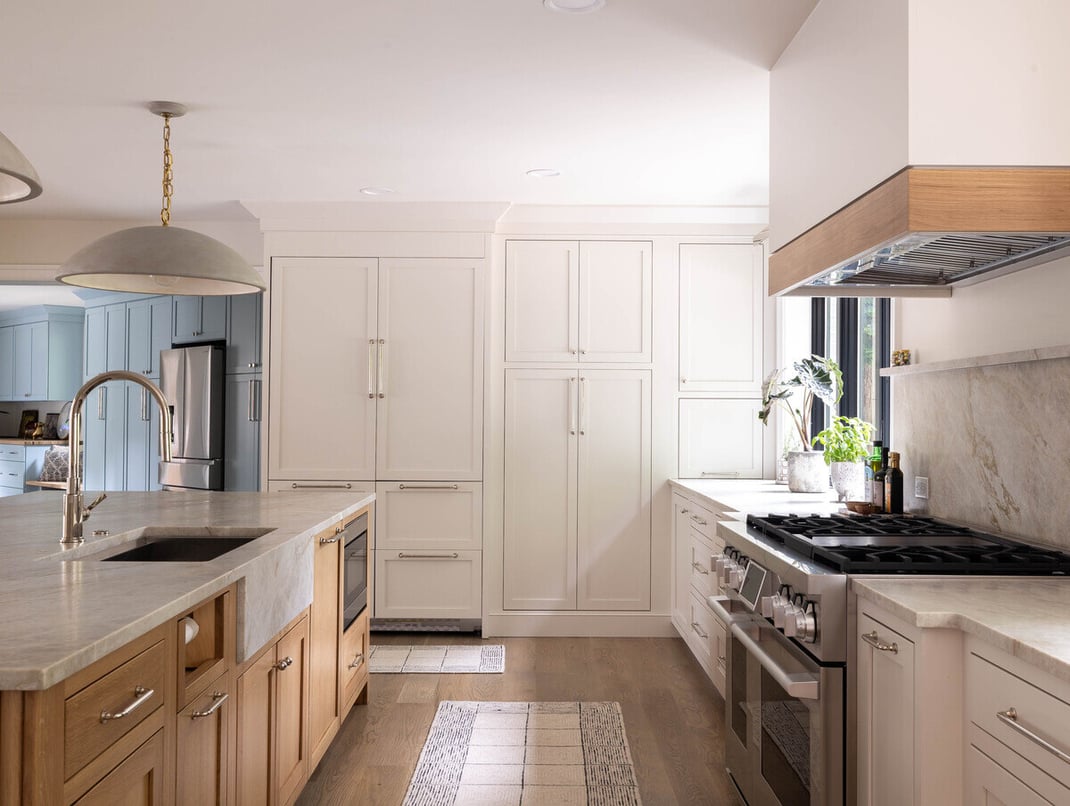
Table of Contents
What Qualifies as a Historic Home in Delaware & Nearby Pennsylvania?
Homes Over 50 Years Old with Original Character
Many historic homes in Delaware and southeastern Pennsylvania are defined less by paperwork and more by age and integrity. Homes built 50, 75, or 100+ years ago often qualify as historic when they still retain original architectural elements such as traditional layouts, period millwork, plaster walls, or original windows and doors, which is part of what draws so many buyers to older properties and speaks to the broader appeal behind choosing to put down roots in Delaware. These homes weren’t built with modern systems or lifestyles in mind, which is why thoughtful renovation is often needed to improve comfort while respecting the home’s original structure.
Designated Historic Homes vs. Older Homes With Historic Features
Not all historic homes are officially designated. Some are listed on local, state, or national historic registers or located within historic districts. These homes may have guidelines, especially for exterior changes, that influence renovation decisions. Others are simply older homes with strong historic character but no formal designation. These homes typically offer more flexibility during renovation, though they still benefit from a preservation-minded approach to maintain their value and charm.
Common Historic Home Styles in Delaware & Chester County
Throughout Wilmington, North Wilmington, Greenville, Hockessin, and nearby areas of Chester County and Chadds Ford, historic homes often reflect architectural styles such as:
-
Colonial and Colonial Revival
-
Victorian and Queen Anne
-
Georgian and Federal
-
Early American farmhouses
Each style has its own proportions, materials, and defining details. Recognizing these elements early helps ensure appropriate and attractive renovations. View our remodeling portfolio for examples of who we've elevated and and styles we’ve brought to life over the years.
The Unique Challenges of Renovating Historic Homes
Renovating a historic home is rarely straightforward. These homes were built using different construction methods, materials, and assumptions than modern houses, which presents challenges that require experience and careful planning.
Hidden Conditions Behind the Walls
Older homes often conceal structural issues, outdated framing techniques, or layers of previous repairs. It’s not uncommon to uncover uneven floors, undersized framing, or changes made decades ago that no longer meet today’s standards. Planning for these unknowns and knowing how to address them without compromising the home’s integrity is a critical part of historic renovation work.
Outdated Electrical, Plumbing, and HVAC Systems
Most historic homes were never designed to support modern electrical loads, air conditioning, or today’s plumbing demands. Electrical panels may be undersized, plumbing materials outdated, and heating systems inefficient or poorly distributed. Upgrading these systems requires careful coordination to minimize disruption to original finishes while delivering modern performance and safety.
Materials That Are No Longer Standard
Historic homes often include materials and assemblies that are rarely used in new construction, such as plaster walls, solid wood framing, or custom millwork. Repairing or integrating these materials takes specialized knowledge and craftsmanship. Replacing everything with modern materials may be faster, but it often comes at the cost of character and long-term value.
What’s Worth Preserving in a Historic Home?
One of the most important decisions in any historic renovation is determining what should be preserved and why. Not every original element can or should be saved, but the right ones make a meaningful difference.
Architectural Details That Define the Home
Elements such as original trim profiles, moldings, staircases, mantels, and doors often give a historic home its identity. These features reflect the craftsmanship of the era and create a sense of authenticity that can’t be replicated with off-the-shelf replacements.
Layout Features That Create Character
While many historic layouts benefit from selective updates, certain features, like formal entries, stair hall proportions, or room-to-room transitions, are part of what makes older homes feel grounded and intentional.
Restoration vs. Replacement Decisions
The key to balancing historic charm and modern function is knowing when restoration makes sense and when a carefully chosen replacement is the better long-term solution. Experienced historic renovation teams weigh durability, performance, visual impact, and cost when making these decisions.
Where Modern Updates Make the Biggest Difference
Successfully modernizing a historic home requires focusing on targeted updates that dramatically improve comfort, performance, and usability without competing with the home’s original character.
Kitchens That Balance Function and Timeless Design
Kitchens are often the most transformed spaces in historic homes, but they’re also where over-modernization can feel most out of place. The goal with kitchen remodels is to improve flow, storage, and usability while respecting the home’s scale and architectural language.
-
Reworking layouts without removing defining walls unnecessarily
-
Choosing cabinetry styles and materials that feel appropriate to the era
-
Integrating modern appliances in a way that doesn’t dominate the space
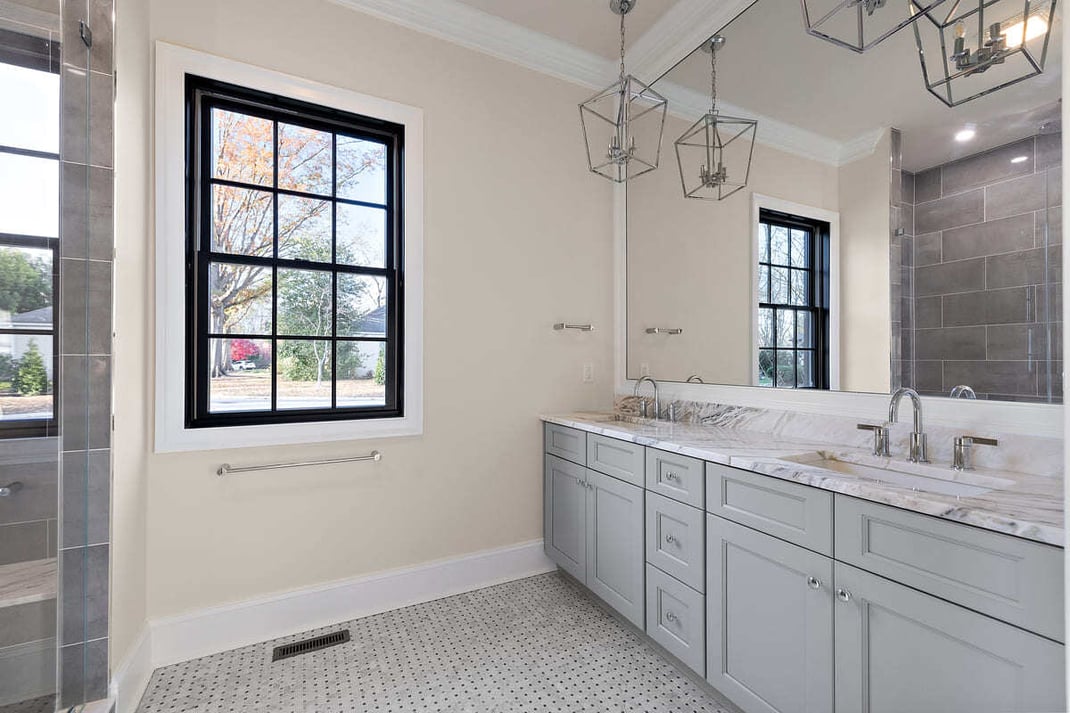
Bathrooms Designed for Daily Comfort
Older bathrooms were built for a different time and often lack the space, storage, and functionality homeowners expect today. Bathroom renovations provide a major quality-of-life improvement while still allowing for classic design cues.
-
Expanding or reconfiguring layouts where possible
-
Improving ventilation and moisture control
-
Using timeless finishes that complement the home rather than mimic trends
Whole-Home Comfort and Performance Upgrades
Many of the most impactful updates in historic home renovations are the ones you don’t immediately see. Whole home renovations can dramatically change how a home feels day to day by overhauling layouts, improving insulation, air sealing, and upgrading mechanical systems.
-
Energy efficiency improvements without altering exterior appearance
-
Quiet, efficient HVAC systems designed around existing architecture
-
Strategic insulation upgrades that respect older construction methods
Permits, Guidelines, and Local Considerations
Renovating a historic home often involves more than design and construction decisions. Local regulations, permitting requirements, and preservation guidelines can all influence how a project moves forward.
When Historic Renovations Require Special Approval
Some historic homes, particularly those located in designated historic districts, may require additional review before exterior changes can be made. This can apply to elements such as windows, doors, additions, or visible alterations. Interior renovations are typically less restricted, but it’s still important to understand local requirements early in the planning process to avoid delays.
How Regulations Vary by Municipality
Historic renovation guidelines are not one-size-fits-all. Requirements can vary significantly depending on the city, town, or county where the home is located. In areas like Wilmington, New Castle County, and parts of Chester County, review processes and permitting standards may differ.
Planning Ahead to Keep Projects Moving
Early planning is critical for historic home renovations. which is why following our remodeling process helps keep design decisions, approvals, and construction moving in the same direction from the start. Understanding approval timelines, documentation needs, and inspection requirements helps keep projects on schedule. An experienced renovation team can help coordinate permitting, anticipate potential roadblocks, and integrate regulatory considerations into the design phase.
Cost Considerations for Historic Home Renovations
Historic home renovations often require a different budgeting approach than newer homes. While these projects can involve a higher level of craftsmanship and planning, they also offer long-term value when done correctly.
Why Historic Renovations Can Cost More
Older homes tend to require more investigative work and specialized labor. Factors that commonly affect cost include:
-
Hidden structural or system issues
-
Restoration of original features rather than replacement
-
Custom solutions to integrate modern systems
What Influences the Final Investment
No two historic homes are the same. Renovation costs are influenced by:
-
The home’s age and condition
-
Scope of work (select updates vs whole-home remodel)
-
Level of preservation and customization
-
Quality of materials and finishes
Clear upfront planning helps align expectations and reduce surprises during construction. Explore our remodeling cost guide for current price ranges to inform your planning.
Frequently Asked Questions About Historic Home Renovations
Below are answers to some of the most common questions homeowners have when planning a historic home renovation. Each one is designed to help you make confident decisions while respecting the home’s original character.
Can you modernize a historic home without losing its character?
Yes, when modernization is approached thoughtfully. The most successful historic home renovations focus on preserving defining architectural features while updating systems, layouts, and finishes that improve daily living. Modern comfort doesn’t require removing what makes the home special; it requires understanding which elements matter most and designing around them.
Are historic home renovations more complicated than standard remodels?
They often are. Older homes were built using different construction methods and materials, which can introduce hidden conditions and limitations. That’s why planning, investigation, and experience are especially important. With the right approach, these challenges can be addressed without compromising the home’s integrity.
Do all historic homes in Delaware have renovation restrictions?
No. Some homes are located in designated historic districts or listed on historic registers, which may involve additional review, especially for exterior changes. Many older homes, however, are not formally designated and have fewer restrictions. Understanding your home’s status early helps guide design decisions and avoid surprises.
Should I restore or remodel my historic home?
Restoration and remodeling serve different goals. Restoration focuses on returning original features to their historic condition, while remodeling adapts the home for modern living. Most homeowners choose a balanced approach, preserving important architectural elements while remodeling areas like kitchens, bathrooms, and mechanical systems for comfort and function.
How long does a historic home renovation typically take?
Timelines vary based on scope, home condition, and approval requirements. Whole-home historic renovations often take longer than standard remodels due to planning, craftsmanship, and coordination. Clear design decisions and early planning help create realistic schedules and reduce delays.
Is a design-build approach better for historic home renovations?
For many homeowners, yes. Design-build allows designers and builders to collaborate from the start, which is especially valuable when working with older homes. This approach helps identify challenges early, manage budgets more effectively, and ensure design decisions align with construction realities.
Can energy efficiency be improved in a historic home?
Absolutely. Many historic homes benefit significantly from insulation upgrades, air sealing, and modern HVAC systems. These improvements can often be made without altering the home’s exterior appearance, allowing homeowners to enjoy better comfort and efficiency while preserving historic character.
Will renovating a historic home increase its value?
When done well, historic renovations often enhance both livability and long-term value. Buyers tend to appreciate homes that maintain original character while offering modern comfort and reliability. Quality craftsmanship and thoughtful updates typically age better than trend-driven renovations.
How do I know if my home is a good candidate for a whole-home renovation?
Homes with aging systems, outdated layouts, or deferred maintenance often benefit from a comprehensive approach. A whole-home renovation allows updates to be coordinated rather than handled piecemeal, resulting in a more cohesive and durable outcome, especially for older properties.
What’s the first step in planning a historic home renovation?
The first step is understanding your home, its age, condition, and character, along with your goals for living in it. From there, working with an experienced renovation team helps translate those goals into a realistic plan that respects the home’s history while preparing it for the future.
Historic Home Renovations in Delaware & Chester County, PA
If you’re considering a historic home renovation and want to preserve what makes your home special while improving comfort and functionality, we’re here to help. Bromwell Construction works with homeowners throughout Delaware and nearby Pennsylvania to plan and execute thoughtful, well-crafted renovations.
Contact us to start a conversation and explore what’s possible for your home.