Building a custom home on your own land sounds simple at first. Then the real questions start. Can I build on my land in Delaware? Will the house fit? Are utilities available? Will the lot need extra site work before construction can begin?
The answer often depends as much on the lot as it does on the home you want to build. In this guide, we’ll cover what to check first, what can affect the timeline and budget, and how to better understand whether your property is ready for a custom home.
Table of Contents
- Can You Build a House on Your Own Land in Delaware?
- What to Check Before Building on Land in Delaware
- How Long Does It Take to Build a Custom Home on Your Land in Delaware?
- What Can Affect the Cost of Building on Your Lot?
- What to Gather Before You Contact a Builder
- How Bromwell Approaches Early Planning
- What if You Do Not Own Land Yet?
- FAQ: Building a Custom Home on Your Land in Delaware
- Start With the Lot
Can You Build a House on Your Own Land in Delaware?
You can often build a custom home on your land. But owning land does not always mean you can build the exact home you want there.
That is where feasibility comes in.
In simple terms, feasibility means checking if the lot works for your project before you get too far into plans. Bromwell Construction uses that early stage to help clients understand the lot, the constraints, and the path forward.
A lot may be buildable, but it can still have limits that affect home size, where the house can sit, driveway location, utility options, drainage, clearing, grading, and the overall site layout.
This means asking questions like:
- Is the lot zoned for a house?
- Will the house fit inside the setbacks?
- Are public water and sewer available?
- Will you need a well or septic system?
- Are there easements, drainage issues, or access limits?
- Will the lot need major grading, clearing, or excavation?
Some of these things can be checked early with the address, parcel information, and any survey or plot plan you have. Other items may take more review.
What to Check Before Building on Land in Delaware
If you want to build a custom home on your land in Delaware, these are some of the main things to look at first.
Zoning, Setbacks, and Lot Coverage
This is one of the first places to start.
Always look at zoning before planning any building on land in Delaware. This can help answer basic questions about what can be built on the lot and where.
That may include:
- If the lot can be used for a house
- Front, side, and rear setbacks
- Lot coverage limits
- Height limits
- Other local rules that affect the layout
A lot can seem big enough at first, but once setbacks and coverage rules are applied, the buildable area may be smaller than expected.
That can affect the size of the house, the footprint, outdoor spaces, garage placement, and more.
Easements and Rights-of-Way
Easements can limit where you can build.
These might include:
- Utility easements
- Drainage easements
- Access easements
- Shared driveway agreements
- Rights-of-way
That does not always mean the lot will not work. But it can affect where the house, driveway, patio, pool, or other features can go.
If you have a survey or plot plan, this is one reason it is helpful to review it early.
Utilities: Public Water and Sewer vs. Well and Septic
Utilities are a big part of planning to build on your lot in Delaware.
Some lots have access to public water and sewer. Others may need a private well, septic system, or more testing before utility options are clear.
That affects both budget and timing.
Some of the basic questions are:
- Is public sewer available?
- Is public water available?
- If not, will the lot need septic and well planning?
- How far are utility connections from the house site?
- Are there tap fees or other utility costs to plan for?
Stormwater and Drainage
This is one of the things that surprises people.
Even if the house fits on the lot, the site still has to handle water the right way.
Depending on the property, stormwater requirements can affect:
- Grading
- Drainage work
- Hardscape area
- Driveway layout
- Building placement
- Engineering needs
This can also affect both the cost and the timeline.
Grading, Slope, and Excavation
The shape of the lot matters.
A lot that looks simple from the street may need more work than expected once slope, drainage, and elevation changes are taken into account.
This part of the site prep for building a house in Delaware may include:
- Excavation
- Fill
- Grading
- Tree removal
- Drainage improvements
- Retaining walls
The more complicated the lot, the more important it is to make the design fit the site.
Access and Driveway Approvals
The lot also needs workable access.
That may include questions like:
- Where can the driveway go?
- Is there enough road frontage?
- Are there visibility concerns?
- Is shared access involved?
- Will outside approval be needed for the driveway?
This can be especially important for corner lots, flag lots, or lots with limited frontage.
Neighborhood and HOA Restrictions
Sometimes the lot works under zoning rules, but there are still neighborhood or HOA restrictions to think about.
These may affect:
- House size
- Exterior materials
- Rooflines
- Colors
- Detached structures
- Fences
- Other design choices
If the property is in a managed neighborhood, HOA documents should be reviewed early.
The more you understand about the lot up front, the easier it is to plan with confidence, especially when you start thinking through how to choose the right lot for your home. Bromwell helps homeowners work through these early questions as part of our custom home building process.
How Long Does It Take to Build a Custom Home on Your Land in Delaware?
For most projects, the full timeline to build a custom home in Delaware is about 10 to 16 months with Bromwell’s design-build process. The lot plays a big part in that timeline.
A straightforward lot with easier access, public utilities, and less site work may be more predictable than a lot that needs clearing, grading, drainage work, utility runs, or added engineering, which can have a noticeable impact on custom home costs.
That is why the timeline is not just about the house. It is also about what the lot needs before construction can move forward.
1. Early Planning and Lot Review
This is where the project starts. The goal is to understand the lot and identify anything that could affect design, permitting, site prep, or construction timing.
This stage may include reviewing the address, parcel information, survey, plot plan, zoning, setbacks, and utility questions. It is also where project goals start to take shape.
If the property needs more review for drainage, grading, access, stormwater, or septic, that can add time early in the process.
2. Design
Once there is a clearer picture of the lot, design can move forward.
This stage includes the floor plan, site layout, exterior direction, selections, and budget discussions. The goal is to design a home that fits the lot, works with the site conditions, and stays aligned with the budget.
A more challenging lot can affect this stage too. The layout may need to shift based on setbacks, grading, driveway access, drainage, or utility locations.
3. Permitting and Engineering
The lot often has the biggest effect on timing when it comes to the permits needed to build a house in Delaware.
Depending on the property, this stage may involve permit drawings, engineering, utility coordination, stormwater planning, septic or well review, grading and drainage plans, and revisions based on municipality comments.
A simpler lot may move through this stage with fewer issues. A more complicated lot may need more review, more coordination, and more time before approvals are in place.
4. Site Prep and Construction
Once approvals are in place, the build can begin. But even here, the lot still affects the schedule.
Construction usually starts with site prep. That may include clearing, demolition, grading, excavation, utility work, and foundation work before the house itself really starts to take shape.
From there, the project moves into framing, mechanicals, insulation, drywall, interior finishes, and final inspections.
If the lot needs major grading, drainage work, retaining walls, tree clearing, or long utility runs, that can affect the schedule before and during construction.
What Can Affect the Cost of Building on Your Lot?
Just like the timeline, the budget is not only about the house itself. The lot plays a big part in the total cost of the project.
A straightforward lot with easier access, public utilities, and less site work may be more predictable than a lot that needs clearing, grading, drainage work, utility runs, or added engineering.
That is why two homes with similar square footage can end up with very different budgets. A lot of the difference comes from what the property needs before and during construction.
1. Site Prep
Site prep is one of the biggest cost factors tied to the lot.
Depending on the property, this can include clearing, demolition, excavation, grading, drainage work, erosion control, or bringing the site into shape before the house can begin.
A simpler lot may need less work. A more difficult lot can add cost early.
2. Utilities
Utility needs can also have a major effect on cost.
That may include public water and sewer connections, tap fees, utility runs, or added work if the lot needs a well or septic system. The farther the utilities are from the house site, the more they can affect the budget.
3. Grading and Drainage
Some lots need more work to manage the slope and water.
If the site has drainage issues, elevation changes, low spots, or stormwater requirements, that can mean added grading, drainage improvements, or retaining walls. These are not always obvious at first, but they can have a real effect on cost.
4. Design Complexity
Rooflines, structural complexity, larger window packages, custom details, and higher-end finishes can all affect the overall budget. The goal is to make sure the design fits both the lot and the investment level.
5. Changes During Planning
Cost can also shift when decisions change during planning.
If the layout changes because of setbacks, driveway placement, utility location, or grading needs, that can affect both the scope of work and the budget.
Why the Lot Matters So Much
When homeowners think about cost, they often picture the house first. But the lot can shape a big part of the budget before the home is even framed.
That is why early planning matters. Looking closely at the lot helps identify site prep needs, utility questions, drainage concerns, and other factors that can affect the total cost from the start.
What to Gather Before You Contact a Builder
You do not need to have everything figured out about your lot before reaching out. But a few items can make the conversation more useful.
Try to gather:
- Property address
- Parcel number
- Survey or plot plan, if available
- HOA documents, if applicable
- Photos of the lot
- Inspiration images
- Must-have features
- Target timeline
- General budget expectations
But even if all you have right now is the address, that is still a good place to start.
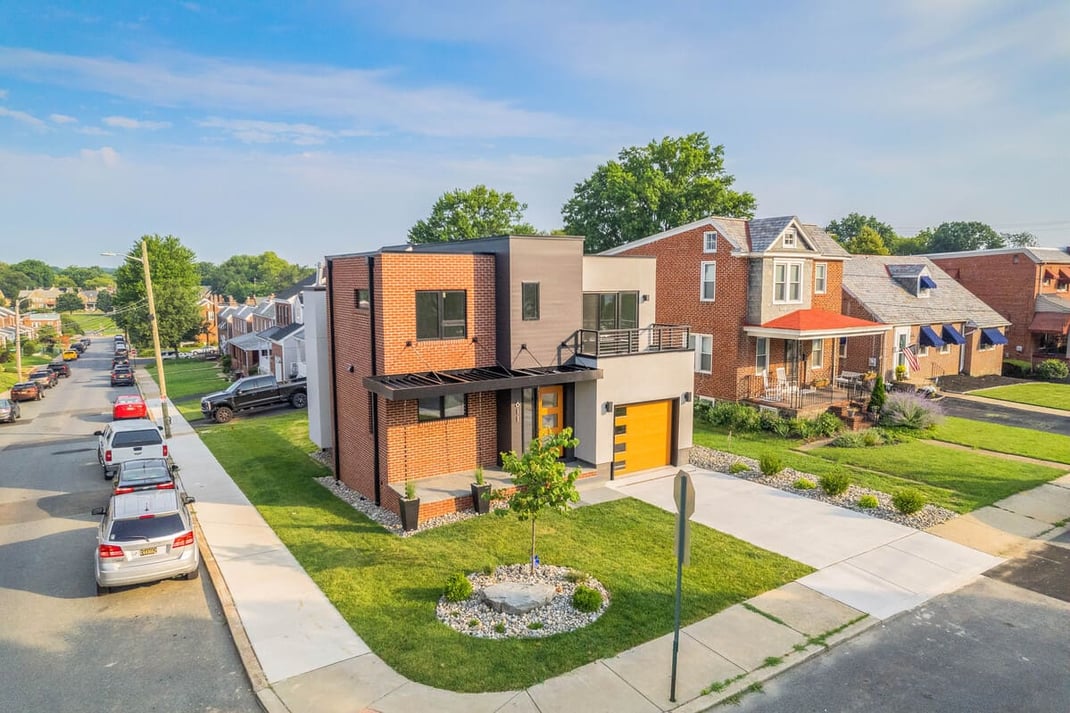
Need some more inspiration images? Browse our Project Gallery.
How Bromwell Approaches Early Planning
At Bromwell, the early part of the custom home building process is about getting clear on the lot, the project, and the next steps.
That means looking at the property details, understanding your goals, and identifying what needs to be checked before the project moves too far forward.
Because Bromwell takes a design-build approach for custom homes, the goal is to keep design, planning, and construction thinking connected from the start.
That may include:
- Reviewing the property or address
- Identifying likely feasibility issues
- Setting expectations around scope
- Helping you understand the next steps
- Keeping the project grounded in both the lot and the budget
This early planning can help avoid a lot of wasted time and guesswork.
What if You Do Not Own Land Yet?
That is common too.
Some homeowners are still looking at lots and trying to avoid buying one that creates bigger issues later.
FAQ: Building a Custom Home on Your Land in Delaware
Can you build a house on your own land in Delaware?
In many cases, yes. But owning land does not automatically mean it is ready for the exact house you want. Before you build a custom home on your land in Delaware, it helps to understand what the lot allows and what site work may be needed.
What does custom home feasibility mean in Delaware?
Custom home feasibility means checking if the lot works for the home you want to build. That can include zoning, setbacks, easements, utility access, drainage, grading, and any neighborhood restrictions tied to the property.
How do I check zoning before building on land in Delaware?
Start with the property address or parcel number. That is usually the easiest way to begin checking zoning before building on land in Delaware, along with setbacks, lot coverage, and other local rules that may affect the project.
What permits do you need to build a house in Delaware?
That depends on the property and the municipality. In general, permits to build a house in Delaware may include the main building permit along with other reviews tied to the site, such as utilities, grading, drainage, stormwater, access, or septic if needed.
What affects site prep for building a house in Delaware?
Much of it comes down to the lot itself. Site prep for building a house in Delaware may include clearing, demolition, excavation, grading, drainage work, utility runs, driveway prep, or retaining walls, depending on the property.
Can a custom home builder help if I do not own land yet?
Yes. A custom home builder in Delaware can help you think through a lot before you buy it, so you have a better sense of what may be possible and what could add time or cost later.
Start With the Lot
If you are asking, “Can I build on my land in Delaware?” the best next step is to take a closer look at the lot before getting too far into plans.
That early review can help you understand what the property allows, what site prep may be needed, and what could affect the budget or timeline. It can also help you avoid wasted time, rework, and surprises later in the process.
At Bromwell, that early planning is about more than answering a yes-or-no question. It is about helping you understand the property, the next steps, and what it will take to move from an idea to a home that fits both the lot and your goals.
If you already own land, or you are looking at a property now, Bromwell can help you review the details and start building a clearer path forward. Contact us to start the process.
